
Sunrise Industries

At Sunrise Industries, we specialize in the manufacturing of precision-engineered components in both ferrous and non-ferrous metals, catering to industries such as electrical, plumbing, switchgear, transformer, HVAC, and more.
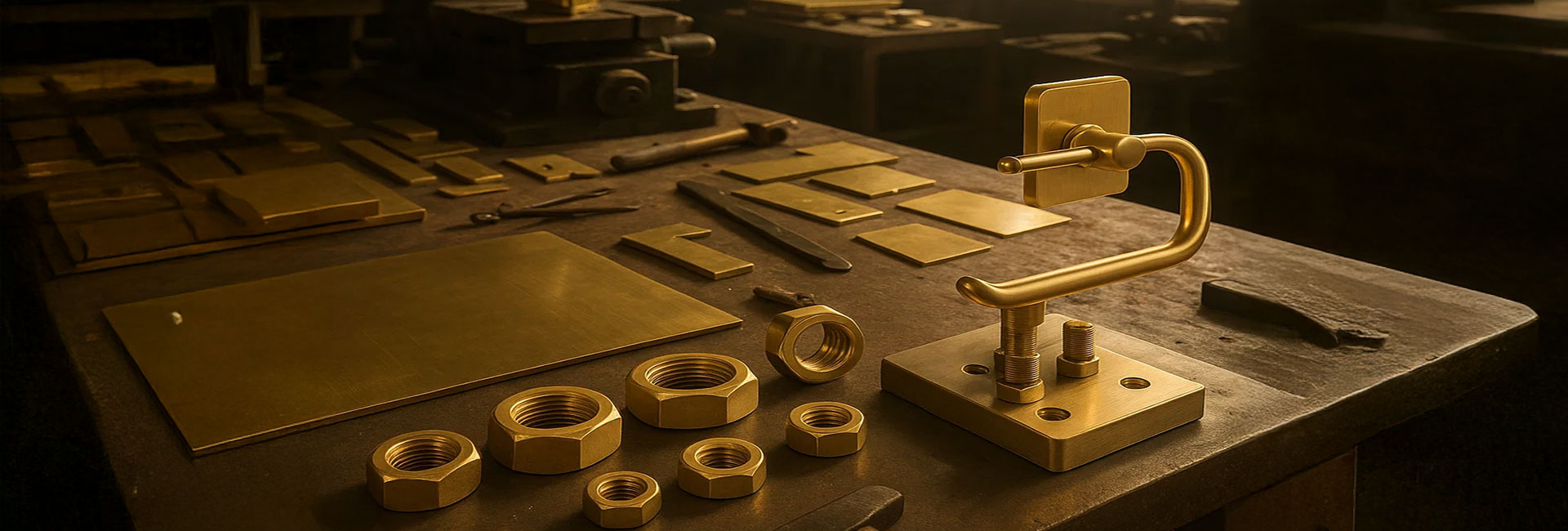

In the intricate world of electrical engineering, the design and manufacturing of transformers are critical processes that ensure reliable power distribution across vast networks. As energy demands grow, the need for efficient and durable transformers becomes paramount. Among the various materials available, brass stands out as a superior choice for key components due to its unique properties of strength, excellent electrical conductivity, and impressive resistance to corrosion and wear. These qualities make brass ideal for components that must endure high-stress conditions while maintaining optimal performance.
This article explores the journey of designing brass transformer solutions, focusing on essential components like bottom nuts, shoe clamps, brass washers, hex nuts, LV secondary bushings, and brass flags. Each of these elements plays a crucial role in enhancing the overall efficiency and reliability of transformers. By examining the specific design considerations and benefits of these brass components, we can appreciate how they contribute to the seamless operation of electrical systems, ultimately ensuring that power reaches homes and industries without interruption or loss.
The first step in creating effective brass transformer solutions is understanding the specific requirements of the transformer application. Engineers must consider critical factors, including electrical conductivity, mechanical stability, thermal performance, and environmental conditions, to ensure optimal operation and longevity.
Brass components can be precisely tailored to meet these diverse demands, making them versatile for various transformer types. From distribution transformers serving urban areas to robust industrial power units, the adaptability of brass allows for innovative designs that enhance efficiency and reliability, catering to specific operational needs across different sectors.
Bottom nuts play a vital role in securing transformer assemblies. In the design phase, considerations include thread size, material thickness, and corrosion resistance. Brass is preferred for its durability and ability to maintain a strong connection even under duress. The design must ensure that the bottom nut can withstand vibrations and mechanical forces without loosening, which is crucial for maintaining the transformer’s integrity and performance.
Transformer windings are intended to be held firmly in place by shoe clamps. During the design process, engineers focus on creating clamps that provide optimal pressure without damaging the winding insulation. The conductive properties of brass ensure minimal energy loss, enhancing transformer efficiency. Innovative designs may include features that allow for easy installation and maintenance, further streamlining the manufacturing process.
Brass washers are integral to reducing friction and ensuring even load distribution across components. In the design phase, factors such as washer thickness and diameter are critical for achieving the desired balance between flexibility and strength. By incorporating brass washers into the design, engineers can extend the lifespan of components by minimizing wear and tear, ultimately contributing to the longevity and reliability of the transformer.
Hex nuts are essential for fastening various components together. The design must accommodate the required torque specifications while ensuring that the nuts can withstand high-stress environments. Brass hex nuts provide excellent mechanical properties and corrosion resistance, making them ideal for long-term use. The design process also includes considerations for ease of assembly, ensuring that technicians can securely fasten components without complications.
Low-voltage secondary bushings are crucial for connecting transformers to external circuits. In the design of brass bushings, engineers focus on ensuring high conductivity and durability to withstand environmental factors such as moisture and temperature fluctuations. The bushing design must allow for easy installation and maintenance while providing a secure and reliable connection to prevent energy losses.
Brass flags serve as identification markers within transformers, indicating various circuits and components. The design of brass flags must prioritize visibility and durability, ensuring that markings remain legible over time. These flags contribute to operational safety, enabling technicians to quickly identify and address components during inspections or repairs. The design process often incorporates features that enhance their visibility, even in low-light conditions.
Once the design phase is complete, prototypes of brass components are manufactured for testing and validation. This step is crucial to assess the performance of each component under real-world conditions. Feedback from testing informs any necessary adjustments before mass production begins. The goal is to ensure that each brass transformer solution meets the rigorous standards of quality, efficiency, and reliability expected in the industry.
Designing brass transformer solutions involves a meticulous process that balances functionality, durability, and efficiency. By focusing on key components such as bottom nuts, shoe clamps, brass washers, hex nuts, LV secondary bushings, and brass flags, engineers can create robust and reliable transformers that meet the demands of modern electrical systems.
Sunrise Industries specializes in producing high-quality brass hardware specifically designed for transformers. Their range of products includes essential components such as bottom nuts, shoe clamps, brass washers, hex nuts, and LV secondary bushings. Each product is crafted with precision to ensure optimal electrical conductivity and mechanical stability, contributing to the overall efficiency and reliability of transformers. Sunrise Industries continually enhances its manufacturing processes, ensuring that their transformer hardware meets the rigorous demands of the electrical engineering industry.