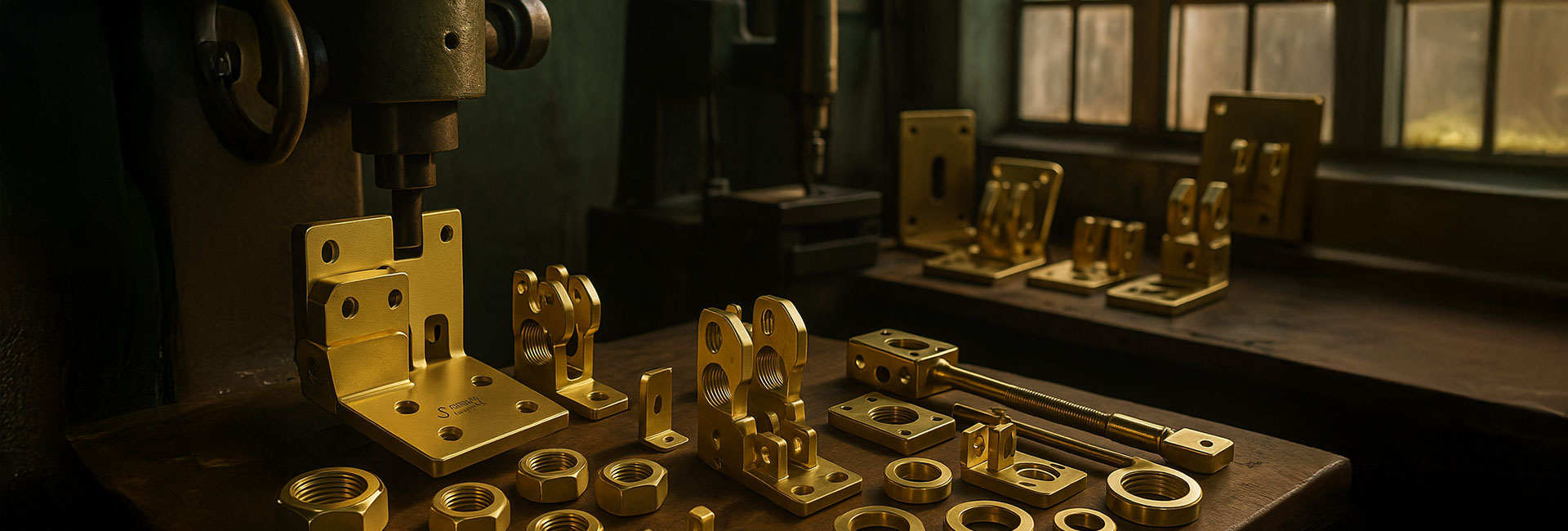
The Chemistry of Brass: Why It’s the Preferred Material for Electrical Parts
Brass has long been celebrated for its exceptional combination of properties, making it an ideal
choice for a diverse range of electrical components. Known for its excellent conductivity, brass
allows for efficient energy transfer, which is crucial in applications such as connectors,
plugs, and terminals. Its inherent durability ensures longevity even in demanding environments,
while corrosion resistance enhances reliability. This versatility makes brass a preferred
material in numerous industrial and commercial sectors.
Current market trends indicate a growing demand for brass components driven by the expansion of
the renewable energy sector and advancements in electrical technologies. According to industry
study, the worldwide brass market is expected to rise at a CAGR of over 5% during the next few
years. Factors such as stricter environmental regulations and a push for sustainable materials
are also influencing manufacturers to invest in brass, further solidifying its position as a
vital material in the electrical components market.
-
Understanding Brass: Composition and Properties
Brass is an alloy primarily composed of copper (Cu) and zinc (Zn). The proportions of
these metals can vary, producing different brass grades with varied qualities. Certain
qualities can be further enhanced by the inclusion of other elements like lead, tin, or
nickel. The chemistry behind brass gives it a combination of high electrical
conductivity, corrosion resistance, and mechanical strength, making it a suitable
material for electrical applications.
- Electrical Conductivity: Brass maintains good electrical
conductivity, which is essential for components like brass electrical plug pins
and brass neutral bars. This conductivity allows efficient energy transfer,
which reduces electrical system losses.
- Corrosion Resistance:The zinc in brass helps prevent corrosion,
making it ideal for components exposed to moisture or harsh environments. This
property is particularly important for switch gear parts and relay components,
which are often installed outdoors or in industrial settings.
- Machinability: Brass is easy to machine, allowing for precise
manufacturing of complex parts like customized electrical components and
threaded components. This machinability enables manufacturers to create
components tailored to specific needs.
-
Strength and Durability: Brass is known for its strength and
toughness, which makes it suitable for high-stress applications. This is
particularly relevant for brass plug pins, which must withstand frequent use
without failure.
-
Key Applications of Brass in Electrical Components
- Brass Neutral Links: These components play a critical role in
electrical systems by providing a safe and effective way to connect neutral
wires. Their corrosion resistance and conductivity ensure reliable performance
in electrical distribution.
- Relay Components:Brass is commonly used in relay components due to
its ability to conduct electricity efficiently and withstand high temperatures.
This makes it a reliable choice for controlling electrical circuits in various
applications.
- Switch Gear Parts:Brass switch gear parts are essential for
controlling and protecting electrical circuits. Their resilience and resistance
to wear and tear make them appropriate for both indoor and outdoor use.
-
Brass Plug Pins:These connectors are used in various electrical
devices to establish secure connections. The strength and conductivity of brass
ensure that they can handle high currents without overheating.
-
Brass Neutral Bars:Similar to brass neutral links, neutral bars
facilitate the distribution of electrical power while providing grounding. Their
robustness and conductivity make them a critical component in electrical panels.
-
Brass Electrical Plug Pins:These pins are vital for ensuring secure
connections in electrical devices. Their corrosion resistance and excellent
conductivity enhance the reliability of devices ranging from household
appliances to industrial machinery.
-
Threaded Components:Brass threaded components provide secure
fastening solutions in electrical assemblies. They are perfect for usage in a
variety of settings because to their strength and corrosion resistance.
-
Customized Electrical Components:The versatility of brass allows
manufacturers to create customized components tailored to specific requirements.
Whether it’s for unique designs or specialized applications, brass can be
engineered to meet diverse needs.
Brass, a copper-zinc alloy, is a popular choice for electrical components due to its
high conductivity, resilience to corrosion, and ease of machining. As technology
advances, the demand for durable and efficient components will continue to demand
brass.
Sunrise Industries is a leading maker of high-quality brass products for various
sectors. Sunrise Industries provides high-quality brass goods such as connectors,
fittings, and electrical components, ensuring longevity and efficiency. Our products
are precision-crafted to satisfy industry requirements and ensure reliability in a
variety of applications.
Sunrise Industries provides premium brass products to guarantee durability and
functionality. Our commitment to quality and sustainability ensures constant service
and unique solutions that meet your specific demands.